Home & Property
Homeowners coverage: the annual check
Construction costs have moved, your contents have changed, and the limits set when you bought the house are almost certainly wrong now.
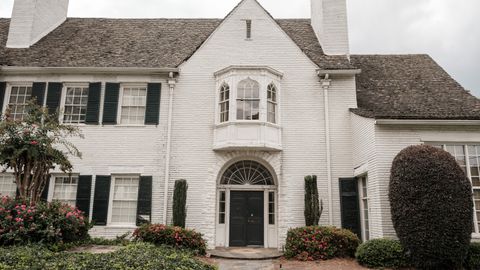
Homeowners policies renew with modest inflation adjustments that frequently lag actual construction costs, and the coverage design is rarely revisited.
An hour a year addresses both.
The dwelling limit
The most important item.
Ask your agent to run a current replacement cost estimate using current local construction costs.
Replacement cost is what it costs to rebuild. It is not market value and not the purchase price — it excludes land and can be higher or lower than market value depending on the area.
Construction costs have risen substantially in recent years. Policies with modest automatic inflation adjustments have fallen behind in many regions.
Being underinsured matters in two ways: the limit may not cover a total loss, and the coinsurance provision can reduce payment on partial losses if you are insured below the required percentage of replacement cost.
Extended or guaranteed replacement cost
Check whether you have it.
Extended replacement cost provides a percentage above the dwelling limit, commonly twenty-five or fifty percent.
Guaranteed replacement cost has no cap and is increasingly rare.
These matter most after a regional catastrophe, when demand surge pushes construction costs well above normal and many homeowners with apparently adequate limits find themselves short.
The roof settlement basis
Check the declarations and any endorsement.
Many insurers have moved to actual cash value or a payment schedule for roofs above a certain age, which dramatically reduces recovery on the most commonly claimed component.
If your roof is settled at actual cash value, know it now rather than after a hailstorm.
Contents
Is the personal property limit adequate? It is frequently set as a percentage of the dwelling limit rather than calculated from what you own.
Is it replacement cost or actual cash value? Replacement cost on contents is inexpensive and worth having.
Have you added anything requiring scheduling — jewelry, art, collections, instruments, firearms, high-value electronics?
Is the inventory current? Update the video walkthrough annually.
Liability
Is the limit adequate for your assets?
Have you added a pool, a trampoline, a dog, or anything else that increases exposure?
Do you have an umbrella policy, and does the homeowners policy meet its underlying requirement?
Loss of use
Check the limit and the time period.
Given current construction timelines, rebuilding after a total loss frequently takes well over a year. A policy limiting additional living expenses to twelve months may leave a gap.
The endorsements to consider
Sewer and drain backup, inexpensive and covering a common loss.
Ordinance or law coverage, paying the additional cost of bringing an older home up to current code after a covered loss. Substantial on older properties.
Service line coverage, for buried water and sewer lines.
Increased mold limits where available.
Flood insurance, which is a separate policy and which is much cheaper outside high-risk zones — where a meaningful share of claims occur.
Earthquake coverage where relevant, noting the percentage deductible.
Equipment breakdown coverage, which covers mechanical and electrical failure of home systems and appliances, and which many insurers now offer cheaply.
Deductibles
Check the standard deductible and any separate percentage deductibles for wind, hail, hurricane or earthquake.
Percentage deductibles are applied to the dwelling limit, not the loss, and can be a very large sum.
Know what yours would be in dollars, and hold reserves accordingly.
Changes to disclose
Renovations, which change replacement cost and may add scheduled improvements.
A new roof, new electrical, new plumbing or new heating, all of which frequently produce discounts.
A home business, which is generally excluded and needs separate coverage.
Renting the property or part of it, which changes the policy required.
A pool, trampoline, or new dog.
Security or water mitigation systems installed, which produce discounts you must claim.
Extended vacancy, which can suspend coverages.
Discounts
Ask what you have and what is available: monitored alarm, water shutoff device, impact-rated roof, wind mitigation features, updated systems, claims-free history, multi-policy, paid in full, new home, and community-level mitigation programs.
In hurricane and wildfire states particularly, a mitigation inspection is inexpensive and frequently produces credits worth many times its cost.
Then shop, carefully
In a hard market, shopping is more necessary and more work.
Use an independent agent who knows which carriers are writing in your area.
Compare identical coverage, including the settlement basis for roofs and contents, extended replacement cost, and the endorsements.
A cheaper policy with actual cash value roof settlement and no ordinance coverage is not a saving.
General information about insurance, not insurance advice. Policy forms, endorsements and availability vary by insurer and state. Consult a licensed agent and read your policy.
Also by Grace Mbeki
- A yearly insurance review across everythingClaims & Disputes
- Choosing an insurer, not just a priceClaims & Disputes
- The annual auto policy reviewAuto Insurance
- Reading your health plan documentsHealth Insurance