Auto Insurance
What A Salvage Or Rebuilt Title Does To Coverage
A branded title changes how insurers underwrite and value a vehicle, because the brand permanently records that the car was once declared a total loss.

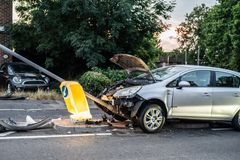
A vehicle declared a total loss usually receives a branded title, and the brand follows the car for the rest of its life. That permanent record changes what insurers will write on it and how they will value it.
How a brand is applied
When an insurer settles a claim as a total loss, it typically takes ownership of the vehicle and applies to the state for a salvage title. The exact threshold that triggers this is set by state law.
A salvage vehicle is not legally drivable in most states. If it is repaired and passes a state inspection, the title is reissued with a rebuilt or reconstructed brand.
Because the rules are state rules, the brand names and inspection requirements differ, and a vehicle moved between states carries its history through national title databases.
Why insurers underwrite branded vehicles cautiously
The insurer cannot see what was repaired or how well. Structural repairs, airbag replacement and flood remediation vary enormously in quality and are difficult to verify after the fact.
Prior damage also complicates any future claim, because separating new damage from old becomes a factual dispute at the estimating stage.
Some insurers decline physical damage coverage on branded vehicles altogether, some write it with conditions, and some will write liability only. This is a company underwriting decision rather than a legal rule.
Valuation works differently
Actual cash value on a branded vehicle is generally lower than for a comparable clean-title car, because the market discounts a branded title consistently.
Valuation reports for these vehicles rely on a smaller pool of comparable sales, which makes the resulting figure less stable and more open to challenge.
An owner who disagrees with a valuation should ask for the comparable vehicles used and check whether their title status matches, since a clean-title comparison overstates and understates in different directions.
Disclosure obligations at purchase and at application
Sellers are generally required to disclose a brand, and states enforce this through title documents. Buyers can check title history through national databases before purchase.
On an insurance application, the question about prior damage or salvage history is material. Answering it incorrectly creates a misrepresentation issue that can surface later.
Whether any particular claim on such a vehicle would be paid depends on the policy language, the facts and state law, and is not something that can be determined in advance from the title alone.
Before buying one
Insurability is worth confirming before purchase rather than after. A quote request naming the exact vehicle identification number will show what an insurer is prepared to write.
Lenders often decline to finance branded vehicles, which removes the lienholder coverage requirement but also narrows the buyer pool at resale.
State title rules and inspection requirements vary by state and change over time; the motor vehicle agency and a licensed agent are the right places to confirm the current position.
Also by Grace Mbeki
- A yearly insurance review across everythingClaims & Disputes
- Choosing an insurer, not just a priceClaims & Disputes
- Homeowners coverage: the annual checkHome & Property
- The annual auto policy reviewAuto Insurance