Auto Insurance
What Gap Coverage Does After A Financed Car Is Totaled
Gap protection addresses the difference between a vehicle's settled value and the loan balance, a shortfall created by how loans and depreciation move at different rates.
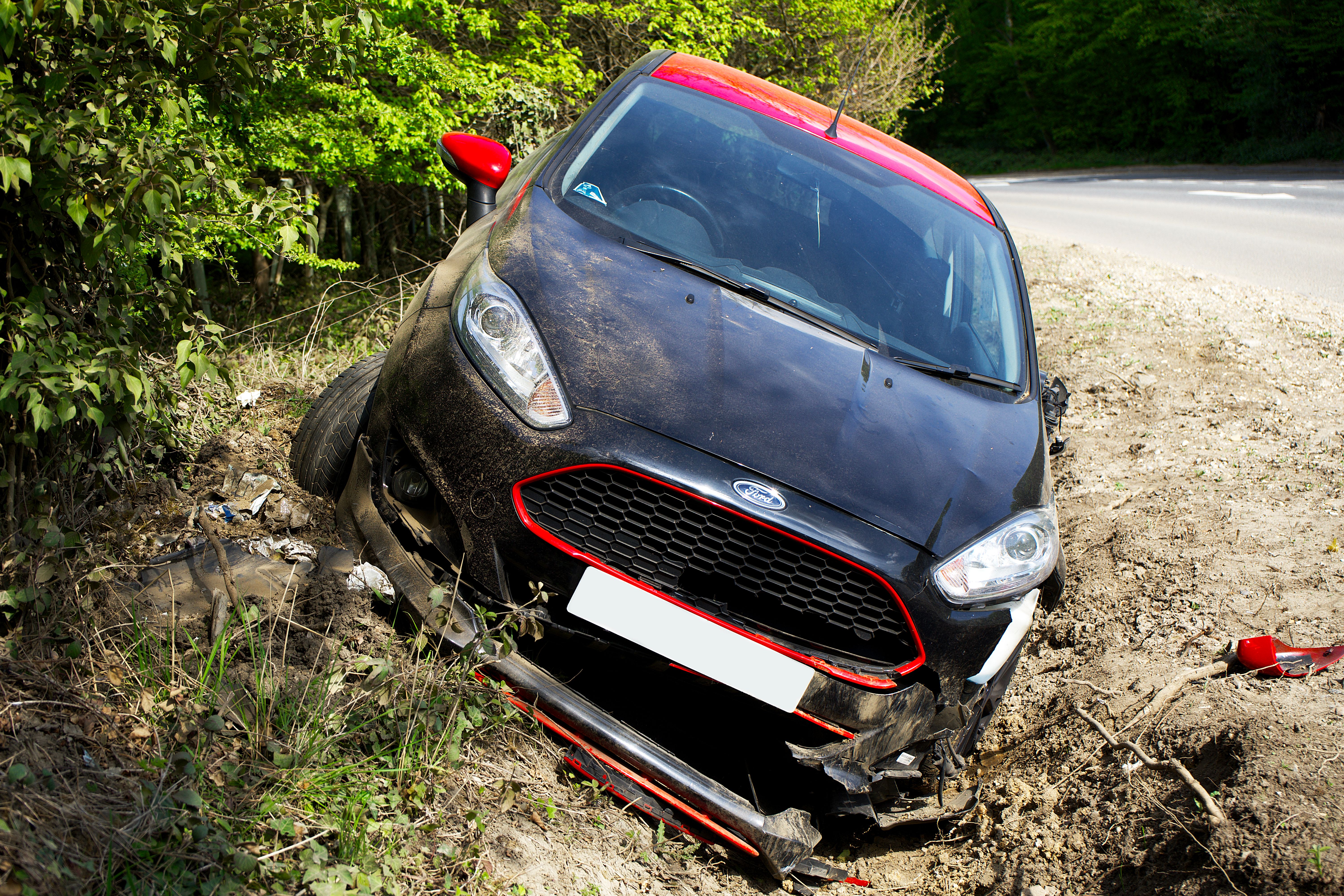
A financed vehicle can be worth less than the amount still owed on it, and a total loss settlement pays value rather than debt. Gap coverage exists to address that difference.
Why the shortfall arises
Vehicles depreciate fastest in their earliest period of ownership, while loan balances fall on an amortization schedule that pays more interest early and more principal later.
Small down payments, long loan terms and negative equity rolled in from a previous vehicle all widen the distance between the two curves.
Because the curves cross at different points depending on the loan, whether a shortfall exists at any moment is a question of arithmetic rather than a fixed rule.
What the physical damage settlement pays
Comprehensive and collision coverage pay the actual cash value of the vehicle at the time of loss, less any deductible, subject to the policy terms.
That figure reflects the market for the vehicle in its condition and mileage. It has no relationship to the outstanding loan, which is a separate contract with a different party.
The settlement is generally paid jointly to the owner and lender, and the lender applies it to the loan balance first.
How gap products are structured
Gap protection appears in three forms: an endorsement on the auto policy, a product sold by the lender or dealer as part of the loan, or a standalone contract.
The insurance version is regulated as insurance by the state; the loan version is often a waiver agreement regulated differently. The distinction affects who supervises complaints.
Terms differ across all three on what is included, whether the deductible is covered, and how late payments or unpaid interest are treated.
The exclusions that matter most
Gap contracts commonly exclude amounts that are not part of the original financed vehicle price, such as extended service contracts or fees added after the fact.
They typically require that the underlying physical damage claim be paid. If the primary claim is denied, the gap product usually has nothing to sit on top of.
Whether a specific shortfall would be paid depends on the contract wording and the facts, and no general statement can settle that question for an individual case.
When it stops being relevant
Once the loan balance falls below the vehicle's market value, the exposure the product addresses no longer exists, and continuing to pay for it buys nothing.
Some products offer refunds of unearned charges when a loan is paid off early, and the contract states whether a refund must be requested.
Regulation of these products varies by state and changes over time; a licensed agent, the lender or the state insurance department can confirm what governs a specific contract.
Also by Grace Mbeki
- A yearly insurance review across everythingClaims & Disputes
- Choosing an insurer, not just a priceClaims & Disputes
- Homeowners coverage: the annual checkHome & Property
- The annual auto policy reviewAuto Insurance