Auto Insurance
Why Glass Claims Are Handled Separately
Windshield claims sit in their own procedural lane, shaped by state glass statutes, separate deductibles and the calibration that modern windshields now require.
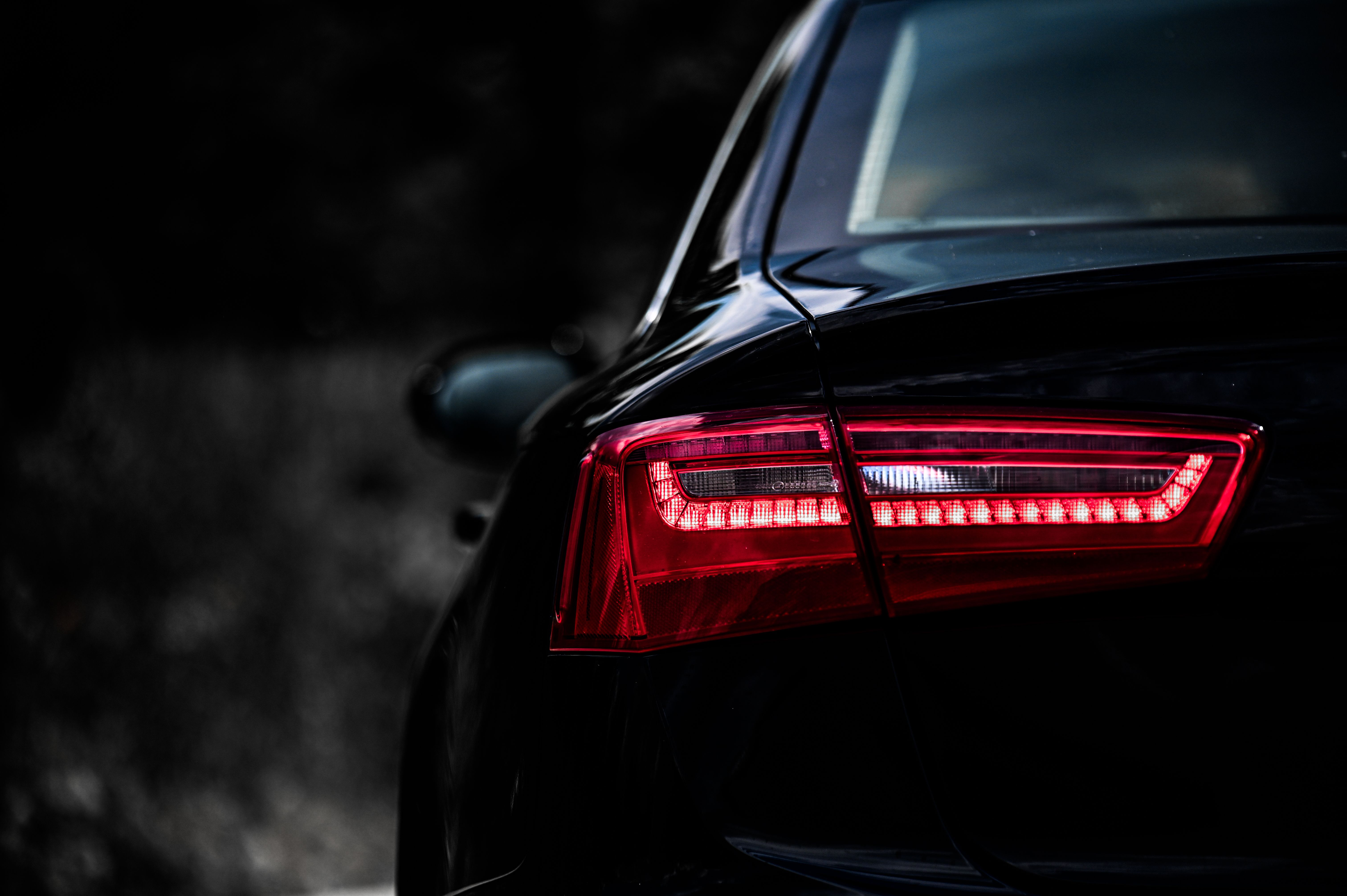
Auto glass claims move through a different process from other physical damage claims. Several states legislate on them specifically, and modern windshields carry technology that has changed the economics.
Glass usually falls under comprehensive
Damage from road debris, weather or vandalism is generally handled under comprehensive rather than collision, because it does not arise from an impact with another vehicle or object while driving.
Glass broken as part of a collision is usually handled within that collision claim instead, since it is part of a single loss event.
Which coverage responds affects the deductible applied and, in some cases, how the claim is recorded in claims history.
Some states legislate glass deductibles
A number of states require or permit insurers to offer windshield repair or replacement without a separate deductible, and the details differ considerably between them.
Other states leave it entirely to the policy, in which case a full comprehensive deductible applies unless a glass endorsement was purchased.
Because this is one of the more state-specific corners of auto insurance, the applicable rule depends on where the policy is written and can change with legislation.
Repair and replacement are different decisions
Small chips outside the driver's primary field of vision can often be repaired, which restores structural integrity without removing the glass.
Cracks beyond a certain size, damage at the edge of the glass, or damage in the driver's line of sight generally lead to replacement instead.
The technical standards for that decision come from repair practice and the vehicle manufacturer, not from the insurance policy.
Why calibration changed the cost
Many vehicles mount cameras and sensors for driver assistance systems on or behind the windshield. Replacing the glass moves those sensors.
Recalibration restores the alignment those systems depend on and may require a controlled environment, specific targets and manufacturer procedures.
That step has made windshield replacement substantially more expensive than it once was, and it is a common point of dispute over whether calibration is included in an estimate.
Networks, referrals and choice of shop
Insurers commonly route glass claims through administrators who arrange work with participating shops at negotiated rates.
Most states preserve the policyholder's right to choose a shop, though the insurer's obligation is generally limited to the amount it would pay a participating one.
Glass statutes, steering rules and calibration requirements vary by state and change over time; a licensed agent or the state insurance department can confirm the current position.
Also by Grace Mbeki
- A yearly insurance review across everythingClaims & Disputes
- Choosing an insurer, not just a priceClaims & Disputes
- Homeowners coverage: the annual checkHome & Property
- The annual auto policy reviewAuto Insurance